
Add product inputs
Start with packshots, real-world photos, or visual references. AI identifies structure and usable selling points.
Turn product inputs into channel-aware image sets, localized copy, and review-ready assets in one repeatable workflow.

Original upload
One real kit photo with a busy setting and loose arrangement
One product · two models
US · English
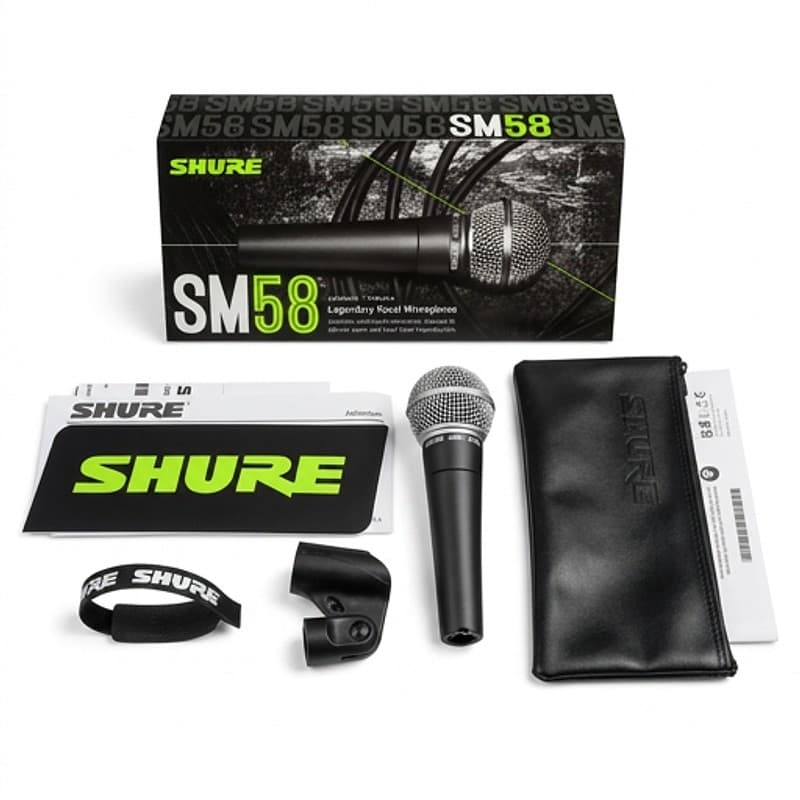
Nanobanana Pro
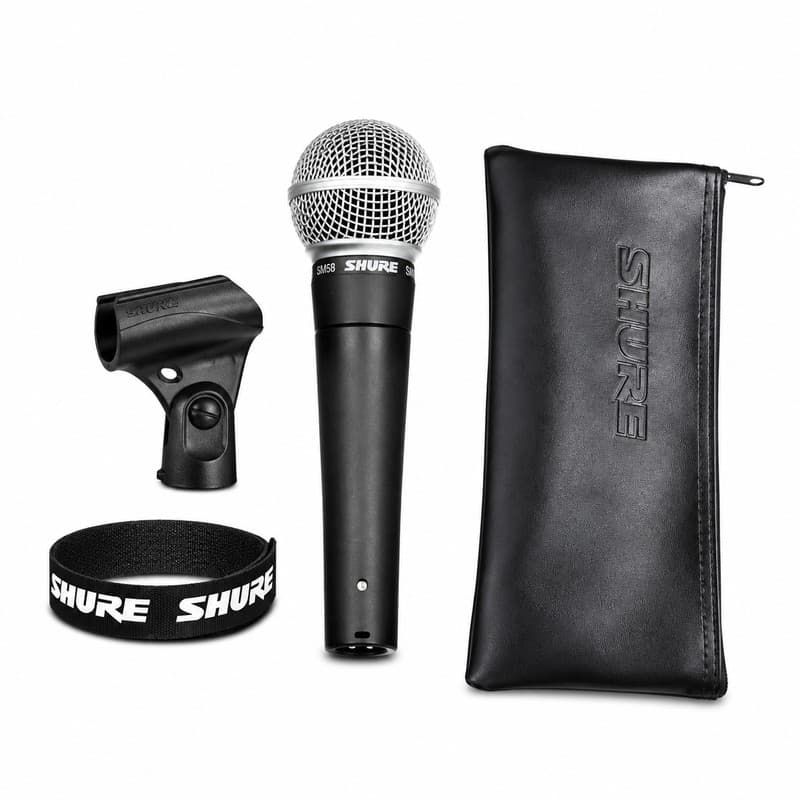
Chatgpt-image2
Two model outputs
The same input, organized in two generation paths
priority platforms
market regions
practical guides
example directions
Each action carries product facts, channel context, and review cues into the next.
Start with packshots, real-world photos, or visual references. AI identifies structure and usable selling points.
Shape the image set around marketplace context, sales region, language, and buying intent.
Create hero, feature, lifestyle, and detail assets, then review risk flags before publishing.
Three priority platforms carry the full strategy view. The remaining links stay compact and lead to distinct platform resources.
Amazon shoppers need to understand a product quickly from search results and the detail page. Treat the white-background hero, feature explanation, dimensions, lifestyle context, and A+ narrative as separate jobs instead of compressing every message into one image.
Temu listings compete in a dense comparison environment where appearance, quantity, and value need to read fast. Keep product identity stable, then explain bundle contents, variants, use outcomes, and close-up details without replacing facts with exaggerated claims.
TikTok Shop images work best when they reinforce the same visual memory as short-form video and live selling. Use the hero for recognition, feature cards for visible differences, and lifestyle frames as reusable support for scripts and live demonstrations.
These images come from two real generation tasks using the same original upload. Compare the unarranged source with each model's ecommerce treatment. Actual generated examples only, not marketplace approval or customer performance results.
The kit is complete, but the background, angle, and loose arrangement are not ready for an ecommerce listing.
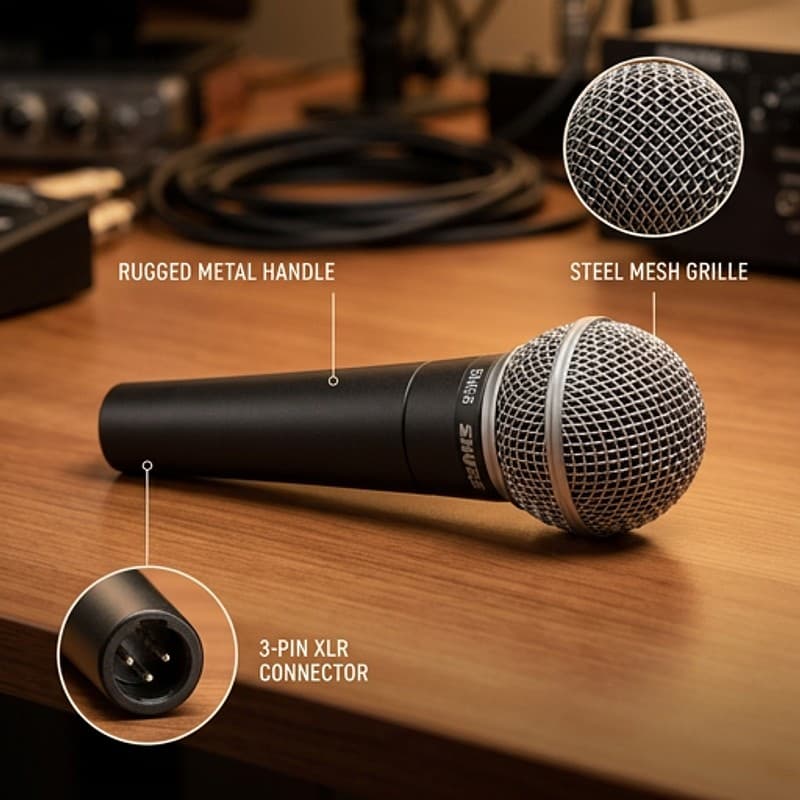
Organizes the grille, metal body, and connector into a focused structural detail image.
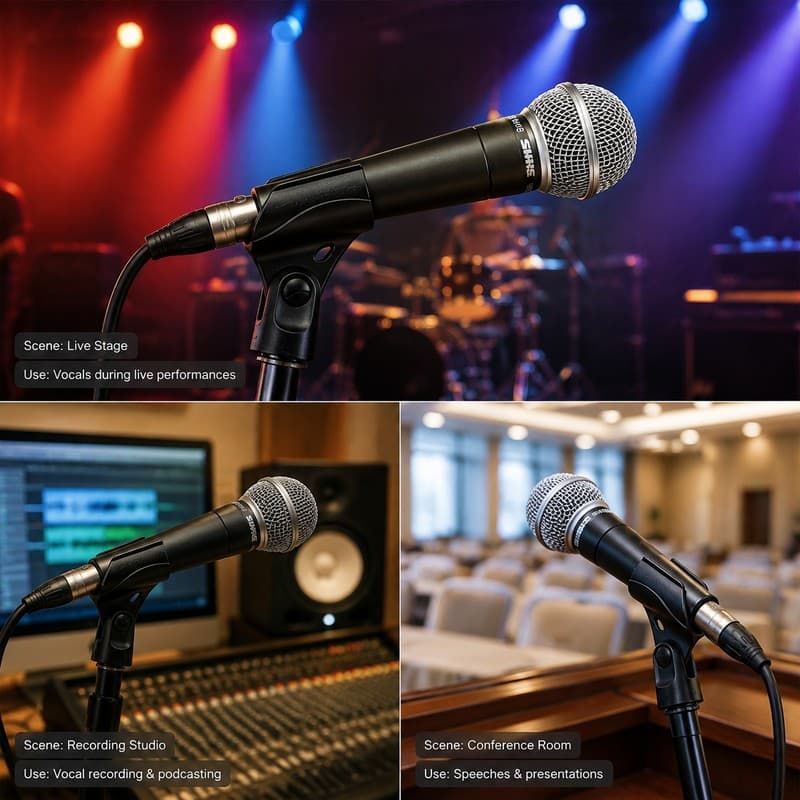
Places the same product into stage, recording-studio, and conference-room contexts.
Define the job of each image across listing, detail, and ad placements before generating.
Adapt wording, setting, and context to a market instead of performing literal translation.
Anchor appearance, color, and structure to reduce drift across a product set.
Flag brand/IP, sensitive claims, people, and medical-claim risks without making approval promises.
Explore the core flow first. Choose an individual or team path when your launch volume grows.
For independent sellers shipping regularly
Explore the core product-image workflow
Team workflows and higher-volume output
No. Lingyuan AI supports creation and risk review, while marketplace policies and moderation change. A final human review against current official rules is still required.
You can reuse product facts, but we recommend reshaping copy and context for the target market rather than translating word for word.
It standardizes high-volume launch assets so designers can focus on brand systems, campaigns, and high-value creative work.
Start with a real product and a channel-aware visual workflow.
Talk to sales